

Running a car sharing business means replacing rental counters, keys, and staff with software and hardware. Your technology stack has three core components: telematics units in each vehicle, backend management software, and a customer-facing mobile app. Together, these enable customers to find, unlock, and drive your cars without human interaction.
In car sharing, your tech stack acts as the functional foundation of every trip. Choosing reliable and flexible technology is a critical decision because it dictates your system uptime. It also determines your ability to integrate new vehicle models into your operation. High-quality hardware and software allow you to scale your business without the need for expensive changes.
This lesson provides an overview of each technical component and their roles in your daily operation. We will examine how these parts communicate to ensure your vehicles are always available and secure.
The Three-Pillar Tech Stack
The technology required for a car sharing business can be described as a three-pillar system. These pillars include the telematics hardware, the backend management software, and the user mobile application. Each component serves a specific purpose, but they must work together in a tightly integrated way to enable a reliable service. This tech stack replaces the traditional physical rental counter with a digital platform.
How Each Component Works
Each part of your technology stack plays a specific role in ensuring your car sharing service runs smoothly. Understanding these functions helps you choose the right vendors and set up your operations effectively.
1. The Telematics Unit: The Bridge to the Vehicle
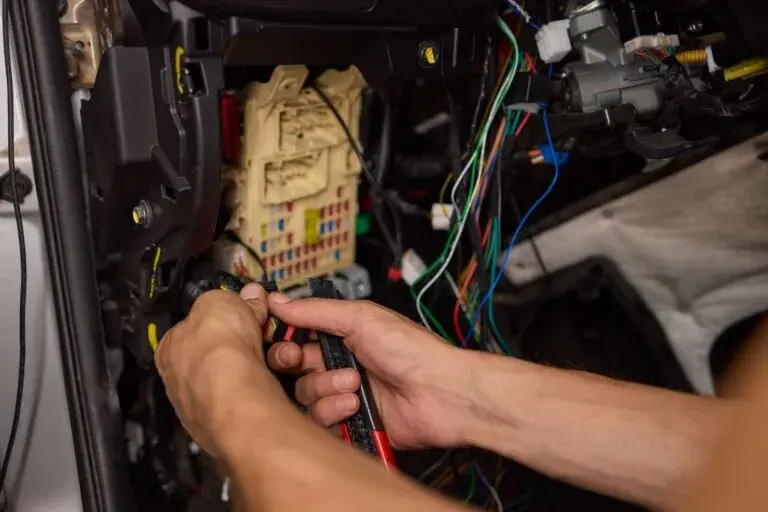
The telematics unit is a physical device installed in each vehicle that turns a normal car into a shared one. It communicates with your software platform to receive remote commands and send back real-time data. This hardware is the backbone of the operation, executing critical tasks like unlocking doors and deactivating engine immobilizers.
You can connect telematics units to the vehicle in one of two ways: Either you tap into the vehicle’s CAN bus, a network akin to the car’s central nervous system, or you plug into the standardized OBD port. Advanced telematics support both methods and may even let you combine them. Nowadays, a lot of vehicles come with built-in OEM telematics units that can also be used, provided the manufacturer lets you and offers the necessary API.
It is vital to build on a platform that does not lock you into one or the other, as this hardware agility allows you to manage a diverse fleet efficiently.
Learn more about car sharing telematics here.
2. The Backend: The Business Logic
The backend software serves as the central management platform for your entire fleet. It typically consists of a user interface for employees, such as fleet managers, and the complex logic beneath it that coordinates all system parts. This system calls APIs to receive data and send commands, ensuring that reservations, customer data, and billing records are handled correctly. While some operators consider building their own software, most businesses start by purchasing proven systems from specialized vendors to save on development costs and time.
Learn more about car sharing software here.
3. The Mobile App: The Face of the Service
The mobile app is the primary interface for your customers and the face of your entire service. It functions as a reservation system and a remote control for the vehicle, while also acting as a tool for communication and upselling. The app is also where users perform a digital handshake by uploading identification for verification. Modern users expect app experiences similar to Uber or DoorDash: finding a nearby vehicle in under 10 seconds, completing a booking in 3 taps or less, unlocking the car within 5 seconds of tapping the button, and real-time updates on vehicle location and availability.
How the Components Communicate
Car Sharing is a technology-first business, so operation relies on the seamless interaction between its hardware and software pillars. This integration is what makes the customer journey feel effortless, as commands move instantly from the app to the backend and finally to the vehicle. For example, when a user taps the button to start a rental, the backend verifies the authorization and sends an initial command to the telematics unit. Once the rental is active, your app can often communicate directly with the vehicle via Bluetooth. This direct connection makes subsequent actions like locking and unlocking during a trip almost seamless and removes the need for a constant cellular signal.
Data flows in the other direction as well, providing critical information for business operations. The telematics unit constantly reports the vehicle's location, fuel or battery levels, and mileage back to the management platform. This live connection allows the backend to update the app in real time, ensuring that users always see accurate vehicle details on their map. Without deep integration, these processes would be slow or prone to errors, which leads to lost rentals and customer frustration.
Proven Technology vs. DIY
Choosing professional, purpose-built technology for your car sharing service provides significant operational advantages that directly impact your revenue and efficiency. A reliable tech stack minimizes vehicle downtime, ensuring your cars are always available for rent. When a telematics unit maintains a stable connection, it reduces the risk of failed rentals and helps maintain a high level of customer satisfaction.
Professional hardware also offers robust security features like remote immobilization. This allows you to disable a vehicle instantly in case of unauthorized use or theft, protecting your valuable assets. Furthermore, a professional system provides a continuous audit trail, giving you a clear record of every access event for improved asset protection.
Finally, a professional technology stack is designed to be vehicle-agnostic. This means you can integrate a wide variety of vehicle makes and models into your fleet without a complete system overhaul. This flexibility allows you to scale your business and adjust your fleet composition as market demands change.
Common Challenges in Tech Implementation
Implementing a car sharing tech stack involves several hurdles that can impact your daily operations. One major challenge is maintaining reliable connectivity in urban environments. Vehicles parked in underground garages or urban canyons often lose cellular signals, which can prevent users from starting or ending their rentals. Selecting hardware with offline capabilities, like Bluetooth, is a common way to address this risk and ensure your service remains functional.
Another significant challenge is ensuring vehicle compatibility across a diverse fleet. Automotive technology changes rapidly, and new models often use advanced communication standards like CAN FD, an evolution of the CAN protocol with a flexible data rate. If your telematics hardware cannot communicate with these newer systems, your purchasing options become limited, and you may face costly platform migrations later. Choosing vehicle-agnostic technology compatibility across a diverse fleet is vital to avoid these restrictions as your fleet evolves.
Finally, many entrepreneurs struggle with scalability when moving from a small pilot to a larger operation. Systems that work for twenty vehicles might fail or become too expensive to manage when you reach hundreds or thousands of cars. Future-proofing your tech stack requires selecting partners who can handle multi-city growth without a complete overhaul of your core systems.
Key Takeaways
What technology do I need to start a car sharing business?
You need three things: A telematics unit for vehicle connectivity, backend software for business logic and management, and a mobile app as the user interface
What does the telematics unit actually do in a shared car?
It acts as the vehicle's central nervous system, receiving commands like "unlock" and sending real-time data like location and fuel levels to the backend. Why do I need backend software for car sharing?
The backend manages reservations, stores customer data, and handles billing, acting as the central platform for managing the entire operation.
Why do I need a mobile app for car sharing?
It serves as the face of the service, allowing customers to locate, book, and access vehicles spontaneously while providing a modern, digital user experience
Why is seamless integration between components necessary?
Integration ensures that data and commands flow instantly between the app, backend, and car, preventing errors and providing a frictionless user journey.
Does car sharing work in garages with no cell signal?
Yes, by using telematics with offline capabilities like Bluetooth that ensure connectivity even with no cellular network available.