

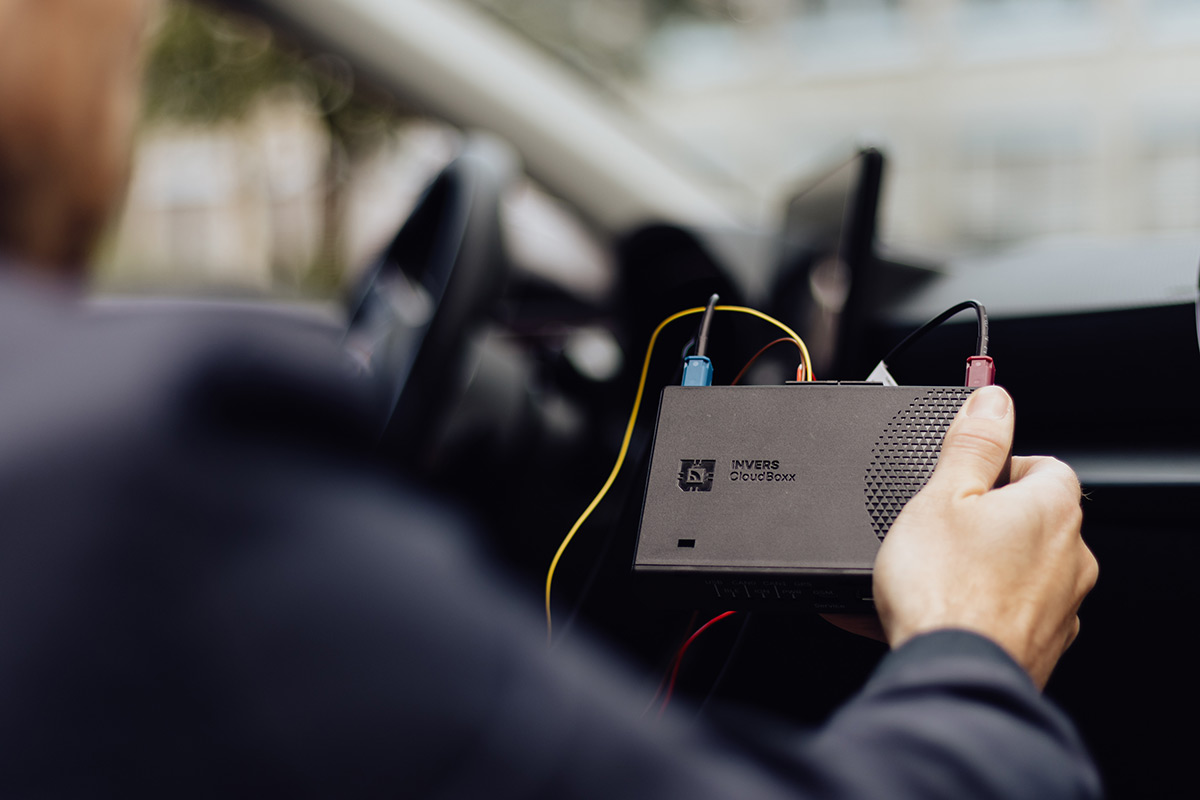
A car sharing telematics unit is the core hardware inside a vehicle that makes an automated, on-demand mobility service possible. Understanding this hardware is the first step toward building a successful business.
This lesson explains what a telematics unit does, its core functions, and why it is the most critical component for automating your operations and creating that seamless, tap-and-drive experience for your users.
Defining Car Sharing Telematics
A car sharing telematics is a device installed in a vehicle that transforms a standard vehicle into a connected, shareable asset. For the operator, it serves as an on-board source of truth, providing real-time data like GPS location, fuel level, and mileage. For the customer, it enables a completely keyless experience, allowing them to lock and unlock the doors directly from a mobile app.
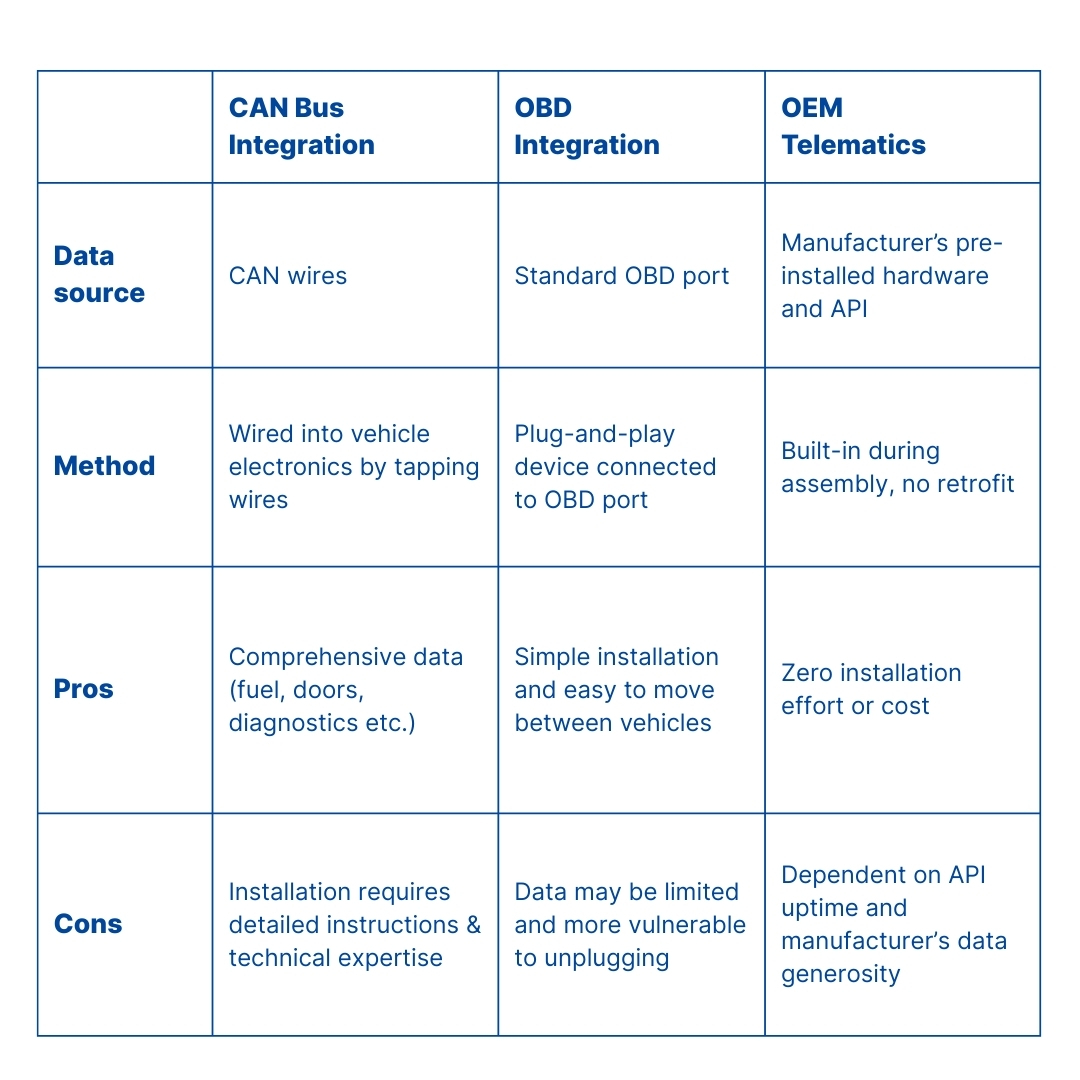
You can choose from different integration methods to install telematics in your vehicles. The first one is to connect the unit directly to the vehicle's internal nervous system, the CAN (Controller Area Network) bus. This network allows all of the car’s electronics to communicate, providing the richest data on everything from fuel levels to specific diagnostic codes.
For faster deployment, a plug-and-play device connects to the OBD (On-Board Diagnostics) port. This is a standard service port, usually under the dashboard, that offers a simpler installation process.
A third option is to use the manufacturer’s built-in hardware, known as OEM telematics, which doesn’t require additional aftermarket hardware but complex integration.
Regardless of the method, the unit's basic function is the same. Its main purpose is to access vehicle data and convert it into useful operational insights for you while allowing customers to find, open and close the vehicle via phone.
How Telematics Improve the User Journey
From the moment a customer opens your app to the second they end their trip, the telematics unit is working to create a seamless experience. It powers every critical step of the user journey, turning a complex process into a few simple taps on a smartphone.
First, the unit makes vehicles discoverable. By constantly reporting its precise GPS location, the telematics hardware allows users to see available cars on a map in real time and choose one nearby.
Next, it provides keyless access. When the user arrives at the car and taps "unlock" in the app, a secure command is sent to the telematics unit. The unit then instructs the vehicle’s electronics to unlock the doors and deactivate the engine immobilizer. This process starts the rental period and is the core of the on-demand experience. For reliability in areas with poor cellular service, many systems also use Bluetooth as a backup, allowing the phone to communicate directly with the car.
During the drive, the telematics unit tracks the trip duration and distance traveled. This data is essential for accurate, automated billing. Finally, when the user ends the rental, the unit sends a final report, locks the doors, and makes the car available again for the next person, closing the loop on a smooth, fully automated journey.
Enabling Data-Driven Fleet Operations
Beyond the customer experience, the telematics unit is a powerful tool for your business. It provides a constant stream of data that allows you to manage your fleet efficiently and proactively. This information turns fleet management from a reactive, problem-solving task into a strategic, data-driven operation.
The hardware reports critical vehicle health information directly to your fleet management software. For example, it provides the exact fuel level or an electric vehicle’s state of charge, so you know precisely when and where to refuel or recharge. It can also transmit diagnostic trouble codes, which are the same alerts that trigger a "check engine" light. This allows you to schedule maintenance before a small issue becomes a serious problem.
With this live data, your system can create automatic alerts and tasks. If a car’s battery is low or its tire pressure drops, the vehicle is instantly flagged for service. A task can be dispatched to your street team, who can find the vehicle using its GPS location and resolve the issue. This proactive approach ensures higher vehicle availability, reduces long-term maintenance costs, and keeps your customers safe and satisfied.
Key Features of a Reliable Unit
When choosing a telematics unit, operators must look for specific features that ensure the service is dependable for both customers and the operations team. The quality of this hardware directly impacts the success of your entire business. Based on general industry practice, there are five essential attributes to look for:
-
Connectivity
-
Real-time data
-
Security
-
Scalability
-
Analytics
First and foremost is connectivity. A reliable unit provides a constant, stable connection to the cellular network, ensuring you never lose contact with your vehicles. It should support multiple network types, like 4G or LTE-M, which is optimized for IOT devices, to maintain coverage even in areas with weaker signals. For added reliability, especially in underground garages, the hardware should also offer a backup access method like Bluetooth, which allows a user's phone to communicate directly with the car.
Accuracy is equally important. The unit must deliver a precise GPS position so that customers can find vehicles exactly where the app shows them. High-quality hardware minimizes location errors, preventing user frustration. This accuracy also extends to vehicle data; the mileage, fuel, and battery readings must be correct for fair billing and efficient operations.
Finally, the hardware must be secure and durable. It needs to protect against unauthorized access or cyber threats, as it controls core vehicle functions. It also has to be robust enough to withstand the constant vibrations and temperature changes inside a car. A reliable, secure, and accurate telematics unit is the foundation of a trustworthy and successful car sharing service.
The Future of In-Car Technology
The technology inside shared vehicles is constantly evolving. The future of telematics is moving toward deeper integration with the car's native systems and more intelligent, data-driven capabilities. This evolution will create smarter services for customers and more efficient operations for businesses.
A key trend is the rise of the mixed-fleet model. As more vehicle manufacturers build telematics into their cars during assembly, operators can use these systems without installing additional hardware. However, this does not replace the need for aftermarket devices, as they offer additional features for car sharing (e.g. Damage Detection). Instead, operators can build a diverse fleet using both OEM-connected vehicles and cars fitted with aftermarket telematics. A single, unified software platform can then process data from both sources, giving operators the flexibility to add any vehicle model they choose.
Key Takeaways
What is a car sharing telematics unit?
A car sharing telematics unit is the in-vehicle hardware that transforms a standard car into a connected, shareable asset. It provides real-time data like GPS and fuel levels for operators, while also enabling a keyless, app-based experience for customers.
How does telematics make the user experience better?
The telematics unit enables the entire digital user journey. It allows customers to find a car's exact location on a map, book it instantly, and use their smartphone for secure, keyless access to lock and unlock the doors.
Why is a telematics critical for car sharing operations?
It provides a constant stream of real-time data, including location, mileage, fuel or battery level, and vehicle health alerts. This information allows operators to manage maintenance, track utilization, and optimize fleet distribution efficiently.
What features should I look for in a reliable telematics unit?
A high-quality telematics unit must have excellent connectivity, accurate GPS and vehicle data, and robust security. It should also offer backup access methods, like Bluetooth, to ensure dependability.
Where is the technology heading in the future?
The future is focused on mixed-fleet models that combine aftermarket and built-in OEM hardware. This approach gives operators the flexibility to use a wider variety of vehicles, all managed under a single software platform.