

Car sharing represents a shift from vehicle ownership to a service-centric model designed to solve the challenges of modern urban mobility. Its success is built on a unique value proposition that creates positive outcomes for multiple stakeholders at once: cities, users, and the operators themselves. Unlike traditional transportation models that often serve a single purpose, car sharing's benefits are interconnected, creating a powerful cycle of demand and support. For any operator entering this space, understanding this complete value chain is the foundation for building a resilient and profitable business. This lesson will explore the three core pillars of car sharing's benefits: the environmental and civic advantages for cities, the financial and practical gains for users, and the efficient, strategic business case for operators.
Benefits for cities and the environment
The most profound impact of car sharing is on the urban environment itself. The process begins by significantly reducing the number of private cars. Studies in major European cities show that a single shared car can result in more than ten private vehicles being sold or never purchased. This trend is already visible: in some cities with strong sharing options, overall car ownership is now decreasing, even as national numbers continue to rise. This shift produces powerful environmental benefits, from lower CO₂ emissions to reduced manufacturing.
"Car sharing is one of the most effective tools to cut car ownership and traffic in cities and to advance sustainable mobility goals."

Luca Refrigeri
Osservatorio Nazionale Sharing Mobility
Source: INVERS Mobility Barometer on European Car Sharing 2025
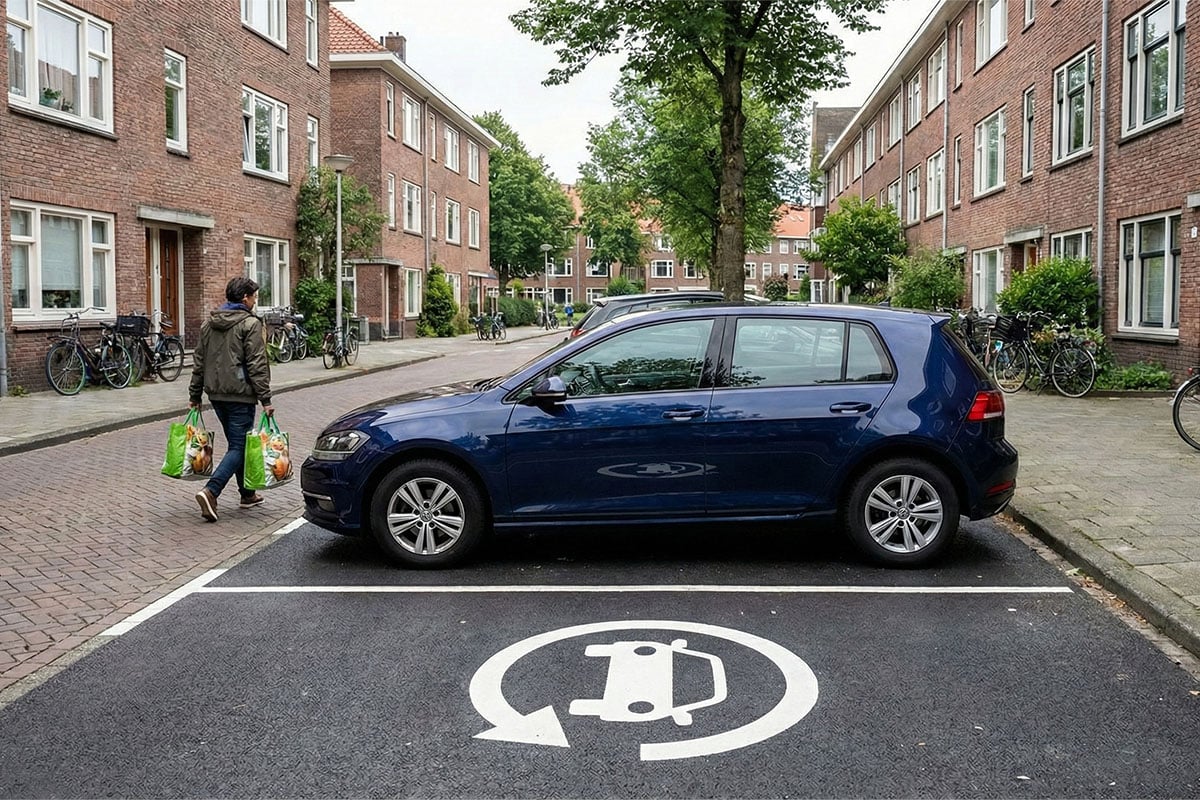
Shared fleets also accelerate the adoption of electric vehicles (EVs), often providing the public's first driving experience with green technology. This transformation frees up valuable urban space. Land once dedicated to parking can be reclaimed for parks, housing, and bike lanes, creating more people-focused communities.
For these reasons, car sharing operators are becoming essential partners for cities working to achieve their long-term sustainability goals.
Benefits for car sharing users
For users, the appeal of car sharing is a powerful combination of financial savings and unmatched flexibility. It eliminates the heavy burdens of ownership, including insurance, maintenance, and parking fees. Generally, the "pay only for what you use" model means no costs are incurred during periods of non-use, such as a semester abroad, a sabbatical, or a long business trip.
In some cases, users pay a flat monthly fee to access the service or to get reduced per-use prices. However, these can usually be paused or cancelled if customers are unable to use the service for some time.
This flexibility extends to the trips themselves. Users can make one-way journeys, like a trip to the airport or a night out, without needing to return the car to its starting point. It also provides the freedom to choose the right vehicle for every occasion. A compact car for city errands, a van for moving furniture, or a premium model for a weekend getaway.
Furthermore, car sharing offers a low-commitment way to try new technologies, like electric vehicles, without the risk of a purchase. This convenience is available instantly, even in a new city, allowing users to drive immediately without waiting at traditional rental counters.
Business and operational benefits for operators
A successful car sharing operation is built on a highly efficient and modern business model. Financially, it supports recurring revenue through usage-based pricing, subscriptions, and corporate packages. Operationally, the 24/7 self-service model drastically reduces personnel costs compared to traditional rental counters, minimizing overhead. This accessibility also expands the addressable market far beyond tourists, reaching younger, environmentally conscious city dwellers who prioritize access over ownership.
Technology provides further advantages. Telematics units offer enhanced oversight of the fleet, enabling features like driver scoring to identify unsafe behavior, which helps prevent accidents and reduce insurance losses.
Finally, the model has a strong regulatory fit. By supporting city goals to reduce emissions, operators often gain access to permits and preferential parking. This alignment also appeals to corporate clients seeking to meet their Environmental, Social, and Governance (ESG) targets, creating another valuable revenue channel.
Strategic benefits for your business
Beyond daily operations, a car sharing business holds significant long-term strategic value. The technology-driven model is highly scalable, allowing you to expand your fleet or enter new cities without a proportional increase in staff. As the service grows, it benefits from powerful network effects: the more vehicles available, the more convenient the service becomes, which attracts more users. This creates a positive cycle that builds a strong competitive moat. Your brand becomes positioned as a key player in the sustainable mobility ecosystem, attracting ESG-aligned investors and funding.
Over time, the operational data you collect becomes a powerful asset. Analyzing trip patterns, vehicle demand, and user behavior provides deep insights that can inform fleet management, expansion plans, and pricing strategies, creating a strong competitive advantage. This positions your service as an ideal partner for broader mobility platforms. By integrating with Mobility-as-a-Service-apps (MaaS), public transport systems, or even housing developments, you create powerful synergies. These partnerships not only expand your customer base but also solidify your role as an indispensable part of the city's transportation network.
Key Takeaways
How does car sharing create value for everyone?
Car sharing succeeds by creating a positive cycle of benefits for cities (sustainability), users (flexibility and cost savings), and operators (profitability), making the business model highly resilient.
How does car sharing actually help cities and the environment?
Car sharing directly supports city goals by reducing private car ownership, which in turn lowers emissions, decreases traffic, and frees up valuable public space.
Why do people prefer car sharing over owning a car?
For customers, car sharing provides financial freedom through a pay-for-use model and the flexibility to choose different vehicles for specific needs, eliminating the high costs of ownership.
What makes the business model so efficient?
The 24/7 self-service model reduces operational costs, while telematics technology provides essential data for fleet management, risk reduction, and improved service.
How can I benefit from car sharing over time?
Car sharing is a highly scalable business that benefits from network effects. The operational data collected over time becomes a core asset for building a long-term competitive advantage.